
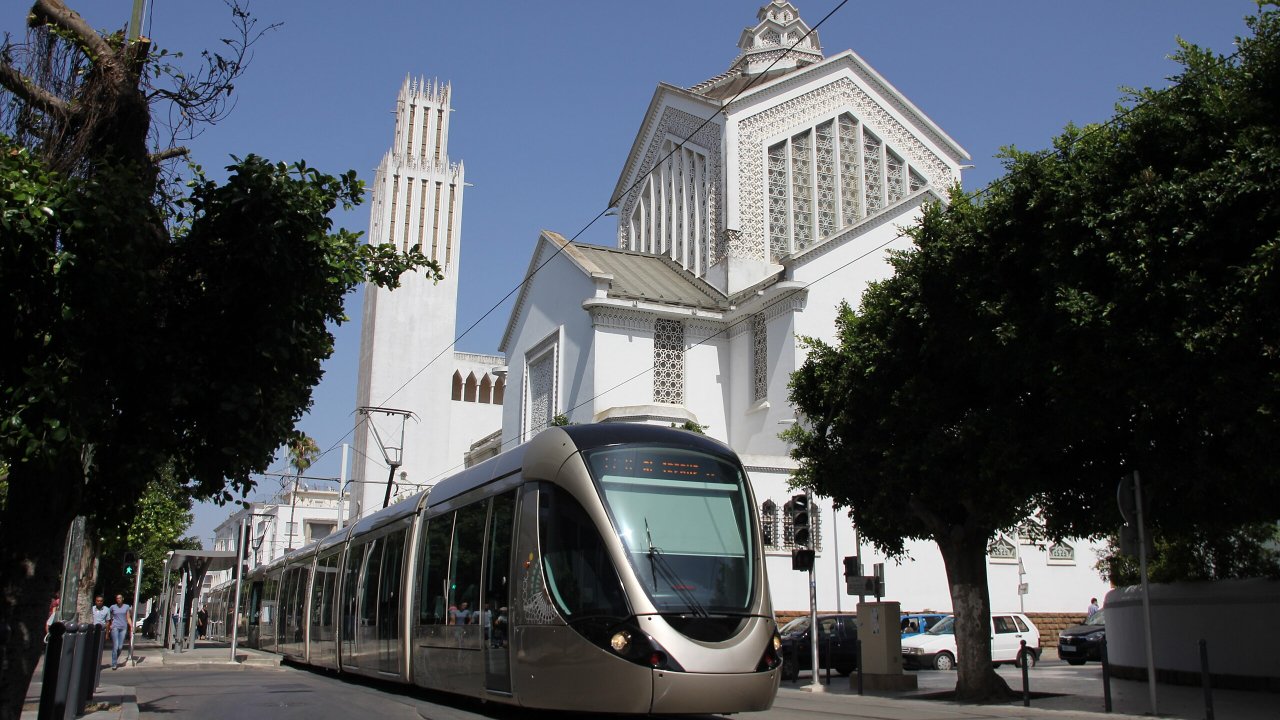
According to a report by APA News, Morocco has announced a massive investment of €7.1 billion to develop a clean and multimodal public transport system by 2029. This initiative answers a crucial question: How can Morocco achieve sustainable mobility, reduce pollution, and improve the quality of life for its citizens?
This visionary project is more than an environmental promise; it is a concrete strategic plan designed to transform the mobility habits of millions of people—shifting them from private vehicles to cleaner and more efficient public transport solutions. In this article, we break down the components of this investment, its benefits, the challenges it may face, and the actions needed to bring this vision to life.
1. Key Components of Morocco’s Clean Mobility Strategy
A Major Investment in Modern Buses
One major component of the strategy is the acquisition of 3,750 next-generation buses. These vehicles will strengthen urban transport networks, reduce dependence on private cars, and help lower harmful emissions.
Development of Tramway and Rail Infrastructure
Around €6.1 billion of the total investment will fund infrastructure projects: construction of new tramway lines, expansion of the regional rail network (RER), and improving intercity connectivity. The “Train + Tramway” model will serve as the backbone of mobility in the Casablanca–Settat region.
A Smart Multimodal Digital Platform
As part of its digital transformation, Morocco plans to deploy an advanced platform that enables real-time trip planning, bus and train tracking, and improved flow management. This tool is expected to reduce traffic congestion and upgrade user experience.
2. Environmental and Social Benefits of the Project
Expected Improvement in Air Quality
Authorities report that air monitoring stations recorded better air quality between 2023 and 2025 due to greater reliance on clean public transportation. Lower emissions contribute directly to reducing urban pollution and improving public health.
Strengthened Social Equity and Accessibility
The expansion of public transport networks will benefit more citizens, including those in peri-urban areas. Moreover, developing this infrastructure will create local jobs and stimulate regional economic growth.
3. Alignment with National Strategic Frameworks
National Charter for Sustainable Mobility 2035
This investment aligns with Morocco’s National Charter for Sustainable Mobility 2035, which aims to build a modern, efficient, and eco-friendly transportation infrastructure over the long term.
National Low-Carbon Strategy 2030
It is also a key pillar of Morocco’s National Low-Carbon Strategy, designed to reduce greenhouse gas emissions and reinforce the country’s commitment to global sustainability goals.
4. Potential Challenges and Risks
- Implementing Large-Scale Projects
- Possible delays in constructing tramway lines or regional rail networks.
- Potential increases in construction and maintenance costs.
- Changing Mobility Habits
- Encouraging citizens to shift from private cars to public transport remains culturally and practically challenging.
- The digital platform must be intuitive, reliable, and widely adopted to support this transition.
- Ensuring Long-Term Sustainability After 2029
- Securing funding for ongoing maintenance and operation is crucial.
- Partnerships with local and international financial institutions will be essential for sustaining the project.
5. Morocco’s Position Regionally and Globally
With this ambitious investment, Morocco positions itself as an African leader in sustainable mobility. The country can not only serve as a model, but also share expertise with other nations through South-South cooperation. Globally, this project strengthens Morocco’s role in the fight against climate change.
6. Practical Tips to Maximize the Project’s Impact
For Citizens:
- Use the digital platform as soon as it launches to plan efficient trips.
- Participate in public awareness initiatives promoting public transport usage.
- Encourage clean mobility practices within your community.
For Authorities:
- Build strong partnerships to ensure long-term maintenance and operation.
- Offer incentives to attract new users (discounted fares, flexible subscriptions).
- Launch awareness campaigns highlighting the benefits of clean and sustainable transport.
Conclusion: A Promising Future for Mobility in Morocco
The €7.1 billion investment in clean mobility marks a decisive step toward a more sustainable and healthier future for Morocco. This initiative not only benefits the environment but also transforms daily life and strengthens the country’s economic foundations.
However, the project’s success depends on overcoming implementation challenges, shifting mobility behaviors, and ensuring long-term operational sustainability beyond 2029. With strong citizen engagement and institutional commitment, this project can become a global model for sustainable mobility.
1 thought on “Morocco Unveils an Exceptional €7.1 Billion Project to Advance Clean and Modern Urban Transport”