
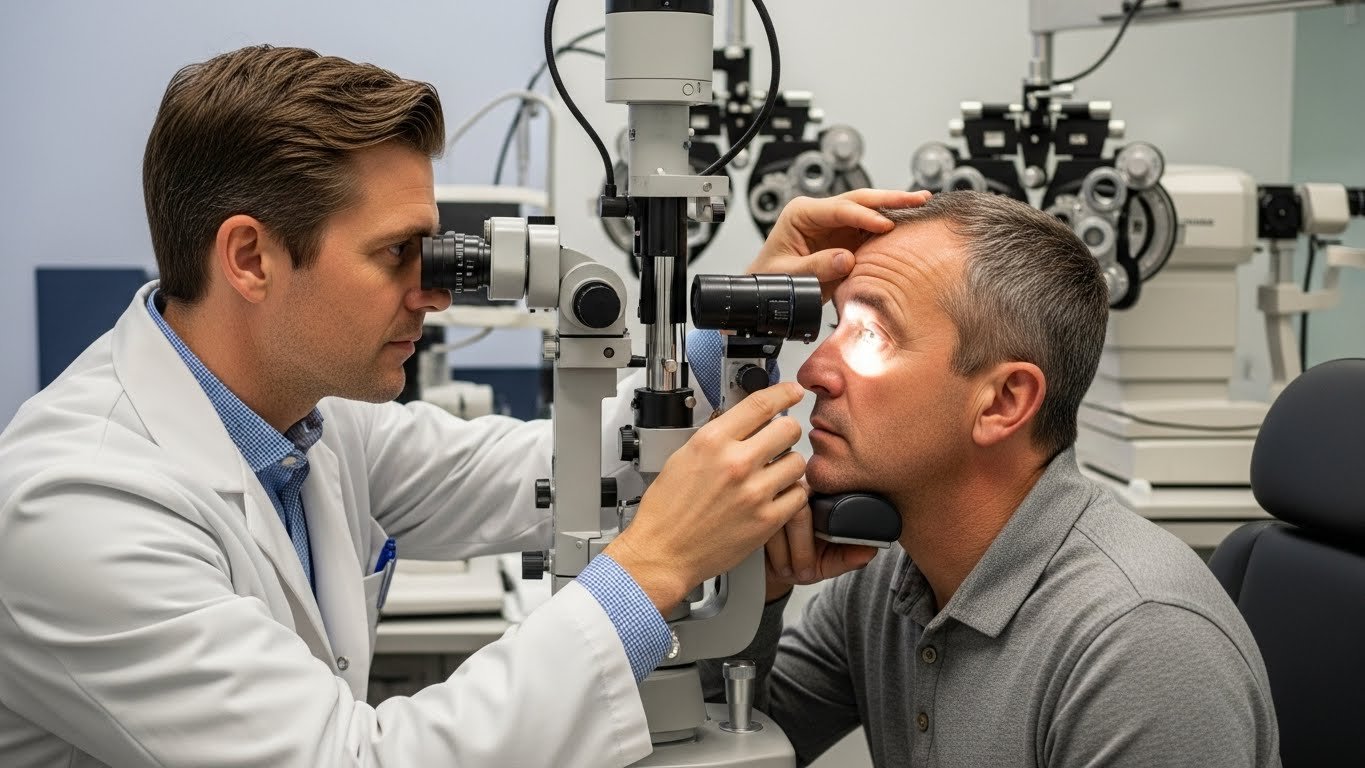
Your eyes are your window to the world. Every day, they work tirelessly to allow you to see, read, drive, and enjoy life. Yet eye care is often neglected until vision problems appear. Globally, millions of people suffer from vision disorders, and many of these issues could have been prevented with simple eye health practices.
Whether you spend hours in front of screens, drive under intense sunlight, or simply want to preserve your vision for years to come, this article will give you the keys to effective and accessible eye care.
In this comprehensive guide, discover 10 essential practices to protect your eyes, improve your visual comfort, and prevent ocular diseases. Simple, practical advice adapted to your daily life.
Table of Contents
1. Schedule Regular Eye Exams with an Ophthalmologist
Why Eye Examinations are Indispensable
Early detection of eye diseases can literally save your sight. Many conditions like glaucoma, cataracts, or diabetic retinopathy progress silently without visible symptoms until it’s too late.
Recommended Consultation Frequency
For healthy adults:
- Ages 20-40: every 2-3 years
- Ages 40-65: every 1-2 years
- After 65: annually
For at-risk individuals:
- Diabetics: mandatory annual exam
- Family history of glaucoma: yearly
- High myopia: regular monitoring recommended
- Contact lens wearers: minimum annual visit
What a Comprehensive Eye Exam Detects
A qualified ophthalmologist or optometrist performs several tests during a consultation:
- Visual acuity test: measures the sharpness of your vision
- Tonometry: measures intraocular pressure (glaucoma screening)
- Fundus examination: detects retinal problems
- Refraction test: determines if you need glasses
- Cornea and lens examination: searches for cataracts or other abnormalities
Common Eye Conditions Detected Early
Glaucoma:
- Often called the “silent thief of sight”
- No symptoms in early stages
- Causes irreversible optic nerve damage
- Early detection prevents blindness
Cataracts:
- Clouding of the eye’s natural lens
- Progressive vision loss
- Highly treatable with surgery
- Detection allows for timely intervention
Macular Degeneration (AMD):
- Leading cause of vision loss in people over 50
- Affects central vision
- Early treatment can slow progression
Diabetic Retinopathy:
- Affects blood vessels in the retina
- Major cause of blindness in working-age adults
- Annual screening essential for diabetics
Cost Considerations
Eye exam costs typically range from:
- Basic vision screening: $50-100
- Comprehensive eye exam: $100-250
- Specialized testing (OCT, visual field): $150-400
Many health insurance plans cover annual or bi-annual eye exams. Check your coverage and prioritize this essential aspect of preventive care.
Practical tip: Even if your vision seems perfect, don’t skip routine exams. Prevention is always better than treatment.
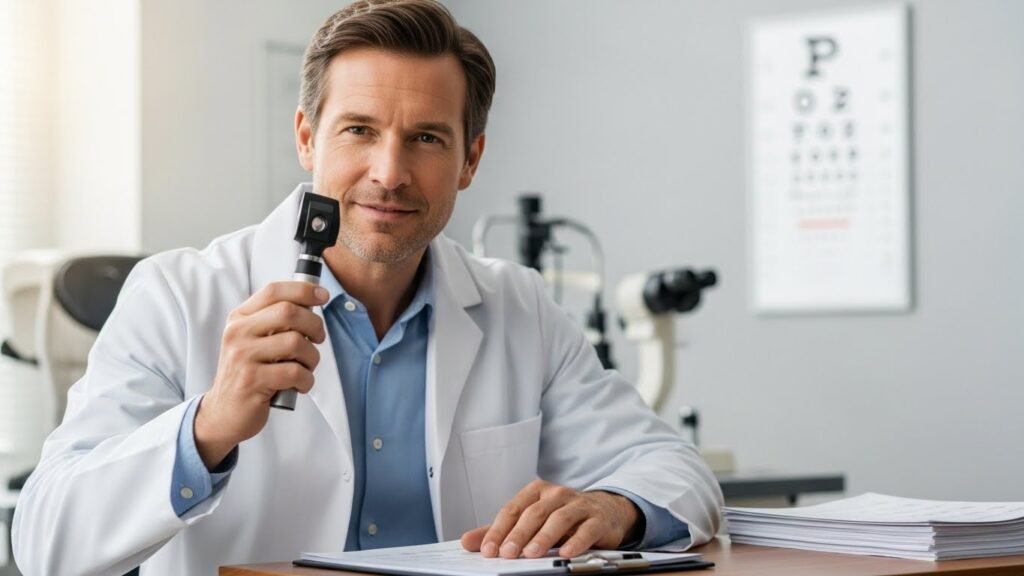
2. Protect Your Eyes from Screens: The Digital Golden Rule
The Scourge of Digital Eye Strain
With the explosion of remote work and intensive smartphone use, eye fatigue or computer vision syndrome has become a silent epidemic. On average, we spend 6-10 hours per day in front of screens.
Symptoms of Digital Eye Strain
Do you recognize these signs?
- ✓ Dry, irritated eyes
- ✓ Temporary blurred vision
- ✓ Headaches at the end of the day
- ✓ Light sensitivity
- ✓ Difficulty concentrating
- ✓ Burning sensation in eyes
- ✓ Neck and shoulder pain
The 20-20-20 Rule: Your Best Ally
This simple yet effective technique for eye care when facing screens:
Every 20 minutes → Look 20 feet (6 meters) away → For 20 seconds
It’s that simple! Set an alarm on your phone if necessary. This rule gives your eye muscles a break from constant focusing.
Additional Screen Protection Measures
Distance and positioning:
- Place your screen 20-26 inches (50-65 cm) from your eyes
- Top of screen should be at or slightly below eye level
- Tilt screen 10-20 degrees backward
- Position screen perpendicular to windows (avoids glare)
Screen settings:
- Adjust brightness to match your environment
- Increase text size if necessary
- Reduce glare with an anti-reflective filter
- Enable night mode after 8 PM (warm light)
- Use dark mode to reduce brightness
Blue light blocking glasses: Blue light filtering glasses can reduce eye strain for intensive screen users. These glasses filter high-energy visible (HEV) blue light emitted by digital screens.
Research findings:
- May reduce eye strain in people using screens 6+ hours daily
- Can improve sleep quality when worn in evening
- Particularly beneficial for gamers and office workers
Cost: $20-200 depending on quality and prescription needs
Tech tips:
- iPhone: Enable “Night Shift” in Display settings
- Android: Use “Blue Light Filter” or “Eye Comfort Shield”
- Windows: Enable “Night Light” feature
- Mac: Use “Night Shift” in System Preferences
- Install f.lux software (free) for automatic adjustment
Blink More Often
In front of a screen, we blink 50% less than normal, which dries out the eyes. A normal blink rate is 15-20 times per minute, but drops to 5-7 when using screens.
Practice conscious blinking:
- Set reminders to blink fully
- Practice “blink exercises” during breaks
- Use artificial tears if needed
Optimize Your Workspace Ergonomics
Lighting considerations:
- Avoid overhead fluorescent lights if possible
- Use desk lamps with adjustable brightness
- Position lights to avoid screen glare
- Natural light is best (but not direct sunlight on screen)
Monitor placement:
- Center of screen 15-20 degrees below horizontal eye level
- Arm’s length distance
- Screen directly in front (not to the side)
Posture matters:
- Feet flat on floor
- Back supported by chair
- Elbows at 90-degree angle
- Wrists straight while typing
3. Wear Sunglasses: Essential UV Protection
Why UV Protection is Non-Negotiable
The sun provides essential vitamin D, but its ultraviolet (UV) rays can seriously damage your eyes. Unlike your skin, your eyes don’t adapt or “tan” – they only accumulate damage over time.
UV Damage to Your Eyes
Excessive UV exposure can cause:
- Cataracts: clouding of the eye’s lens, leading cause of blindness worldwide
- Macular Degeneration (AMD): damage to central vision
- Pterygium: abnormal growth on the cornea (surfer’s eye)
- Photokeratitis: “sunburn” of the eye, extremely painful
- Eyelid skin cancer: including melanoma
- Corneal damage: permanent vision impairment
How to Choose the Right Sunglasses
Essential criteria for proper eye care:
✓ 100% UV protection or UV400 (blocks UVA and UVB) ✓ Large lenses to cover entire eye area and sides ✓ Polarized lenses reduce glare (excellent for driving, water activities) ✓ Darkness level appropriate to activity ✓ Quality certification (ANSI, CE standards)
Lens categories explained:
- Category 1 (20-57% light reduction): Overcast days, minimal sun
- Category 2 (57-82% reduction): Medium sunlight
- Category 3 (82-92% reduction): Bright sunlight, beach, most outdoor activities
- Category 4 (92-97% reduction): Extreme brightness, snow, glaciers (not for driving)
Lens Color and Tint Options
Gray/Smoke:
- Reduces brightness without color distortion
- Best all-purpose choice
- Ideal for driving
Brown/Amber:
- Enhances contrast
- Good for variable light conditions
- Popular for sports
Green:
- Good color balance
- Reduces glare
- Comfortable in bright light
Yellow/Orange:
- Enhances contrast in low light
- Good for overcast days
- Not suitable for bright sunlight
Special Considerations
Prescription sunglasses: If you wear corrective lenses, invest in prescription sunglasses rather than wearing contacts with non-prescription sunglasses.
Photochromic lenses:
- Darken automatically in sunlight
- Convenient for those who frequently move between indoors/outdoors
- May not darken adequately in cars (windshields block UV)
Children’s eye protection:
- Children’s eyes are more susceptible to UV damage
- Establish sun protection habits early
- Choose wraparound styles for maximum coverage
Beware of Cheap, Unprotected Sunglasses
DANGER: Cheap sunglasses without real UV protection are worse than no sunglasses. The dark tint dilates your pupils, allowing MORE UV to enter and causing greater damage.
Where to buy quality sunglasses:
- Licensed optical stores
- Reputable online retailers with return policies
- Your eye doctor’s office
- Brands: Ray-Ban, Oakley, Maui Jim, Costa, Warby Parker
Cost range: $50-300 for quality UV-protective sunglasses
Golden rule: Wear sunglasses even on cloudy days and in winter. UV rays penetrate clouds and reflect off snow, water, and pavement!
4. Eat a Vision-Healthy Diet
Nutrients Essential for Vision
Your eye health starts on your plate. Certain nutrients play a crucial role in preventing eye diseases and maintaining good vision throughout life.
Super-Nutrients for Eye Care
1. Vitamin A (Retinol)
- Essential for night vision
- Protects the cornea
- Prevents dry eyes
- Sources: Carrots, sweet potatoes, spinach, apricots, liver, egg yolks
2. Lutein and Zeaxanthin
- Carotenoids concentrated in the macula
- Filter harmful blue light
- Protect against AMD and cataracts
- Sources: Kale, spinach, collard greens, broccoli, eggs, corn
3. Vitamin C (Ascorbic Acid)
- Powerful antioxidant
- Reduces cataract risk
- Supports blood vessels in eyes
- Sources: Oranges, strawberries, bell peppers, broccoli, kiwi
4. Vitamin E
- Protects eye cells from damage
- Prevents age-related degeneration
- Works synergistically with vitamin C
- Sources: Almonds, sunflower seeds, olive oil, avocado
5. Omega-3 Fatty Acids
- DHA concentrated in retina
- Fights dry eye syndrome
- Reduces inflammation
- May prevent AMD
- Sources: Salmon, mackerel, sardines, flaxseeds, walnuts, chia seeds
6. Zinc
- Helps vitamin A work effectively
- High concentration in retina and macula
- Protects against macular degeneration
- Sources: Oysters, beef, pumpkin seeds, chickpeas, lentils
7. Omega-3 and Omega-6 Balance
- Important for tear film quality
- Reduces dry eye symptoms
- Anti-inflammatory properties
Eye-Healthy Meal Ideas
Breakfast:
- Scrambled eggs with spinach (lutein, zeaxanthin, vitamin A)
- Fresh orange juice (vitamin C)
- Handful of almonds (vitamin E)
- Greek yogurt with berries (antioxidants)
Lunch:
- Grilled salmon or tuna (omega-3)
- Large mixed green salad with colorful vegetables
- Olive oil dressing (vitamin E)
- Whole grain bread (B vitamins)
Dinner:
- Lean protein (chicken, fish, or legumes)
- Steamed broccoli and carrots (vitamins A, C)
- Sweet potato (beta-carotene)
- Side salad with kale
Snacks:
- Raw carrots with hummus
- Mixed nuts (almonds, walnuts)
- Bell pepper strips
- Fresh fruit
- Hard-boiled eggs
The AREDS Formula
The Age-Related Eye Disease Study (AREDS) conducted by the National Eye Institute found that specific nutrient combinations can reduce AMD progression:
AREDS2 Formula:
- Vitamin C: 500 mg
- Vitamin E: 400 IU
- Lutein: 10 mg
- Zeaxanthin: 2 mg
- Zinc: 80 mg (as zinc oxide)
- Copper: 2 mg (to prevent zinc-induced copper deficiency)
Should You Take Supplements?
For most people, a balanced diet provides adequate nutrients. However, your ophthalmologist may recommend supplements in certain cases:
Consider supplements if you have:
- Early AMD or family history
- Poor dietary habits
- Difficulty absorbing nutrients
- Specific nutritional deficiencies
- High risk factors for eye disease
Popular eye supplement brands:
- PreserVision AREDS 2
- Ocuvite
- MacuHealth
- Preservision
- I-Caps
Cost: $15-40 per month
Important: Supplements don’t replace a healthy diet. They supplement it. Always consult your doctor before starting any supplement regimen, especially if you take medications or have health conditions.
Foods to Limit for Eye Health
Reduce:
- Processed foods high in trans fats
- Excessive sugar (linked to diabetic retinopathy)
- High-sodium foods (may increase eye pressure)
- Excessive alcohol (depletes nutrients)
5. Stay Properly Hydrated for Healthy Eyes
The Importance of Hydration for Eye Health
Your eyes are 98% water. Even mild dehydration can lead to dry eyes, discomfort, and blurred vision. The tear film that protects and lubricates your eyes depends on adequate hydration.
Understanding Dry Eye Syndrome
Dry eye disease is one of the most common eye conditions, affecting millions worldwide. It occurs when:
- Tear production is insufficient
- Tears evaporate too quickly
- Tear composition is imbalanced
Symptoms of Dry Eyes
- ✓ Gritty, sandy sensation
- ✓ Redness and irritation
- ✓ Paradoxical tearing (eyes water to compensate)
- ✓ Intermittent blurred vision
- ✓ Discomfort with contact lenses
- ✓ Increased eye fatigue
- ✓ Burning or stinging sensation
- ✓ Light sensitivity
How Much Water for Optimal Eye Care?
General recommendation: 8-10 glasses (64-80 oz or 2-2.5 liters) per day
Adjust based on:
- Climate (hot, dry weather: add 16-24 oz)
- Physical activity (add 12-24 oz per hour of exercise)
- Air conditioning/heating (add 8-16 oz)
- Caffeine/alcohol consumption (add extra water to compensate)
- Medications that cause dryness
Signs you’re properly hydrated:
- Light yellow or clear urine
- Comfortable eyes throughout the day
- Moist lips and mouth
- Elastic skin
Beyond Water: Other Hydration Sources
Hydrating beverages:
- Herbal tea (caffeine-free)
- Green tea (also contains eye-healthy antioxidants)
- Coconut water (electrolytes)
- Fresh vegetable juice
- Infused water (cucumber, lemon)
Water-rich foods:
- Cucumber (96% water)
- Watermelon and cantaloupe
- Tomatoes
- Oranges and citrus fruits
- Lettuce and leafy greens
- Zucchini
- Celery
- Strawberries
Solutions for Dry Eyes
If hydration alone isn’t enough:
Artificial tears (lubricating eye drops):
- Preservative-free preferred for frequent use (4+ times daily)
- Use as needed throughout the day
- Keep a bottle at work, home, and in your car
Popular brands:
- Systane
- Refresh
- TheraTears
- Blink
- GenTeal
Cost: $8-20 per bottle
Types of artificial tears:
- Thin/watery: For mild dryness, frequent use
- Gel drops: For moderate dryness, longer lasting
- Ointments: For severe dryness, nighttime use (blurs vision)
Lifestyle Modifications for Dry Eyes
Environmental controls:
- Use a humidifier (especially in winter)
- Avoid direct airflow from fans, AC, or heating vents
- Take breaks from screens
- Wear wraparound sunglasses outdoors (blocks wind)
Dietary additions:
- Omega-3 supplements or fish oil
- Increase water intake
- Reduce caffeine and alcohol
Eyelid hygiene:
- Warm compresses (5-10 minutes daily)
- Gentle eyelid massage
- Lid scrubs if recommended by doctor
When to See a Doctor
Consult an ophthalmologist if:
- Dry eye symptoms persist despite home treatment
- Vision is affected
- Eyes are consistently red
- You suspect an underlying condition
- Over-the-counter remedies aren’t helping
Possible underlying conditions:
- Sjögren’s syndrome (autoimmune disorder)
- Blepharitis (eyelid inflammation)
- Meibomian gland dysfunction
- Hormonal changes
- Medication side effects
Advanced treatments available:
- Prescription eye drops (Restasis, Xiidra)
- Punctal plugs (block tear drainage)
- LipiFlow (treats gland dysfunction)
- Intense pulsed light (IPL) therapy
6. Practice Rigorous Contact Lens Hygiene
Contact Lenses: Convenience with Responsibility
Worldwide, millions of people wear contact lenses to correct vision or for cosmetic reasons. Unfortunately, many ignore essential hygiene rules, exposing themselves to serious eye infections that can threaten vision.
Contact Lens-Related Infections
Microbial keratitis: infection of the cornea that can cause:
- Intense pain
- Severe redness
- Temporary or permanent vision loss
- Corneal scarring
- Need for corneal transplant in severe cases
- Potential blindness
Primary causes:
- Poor hand hygiene
- Inadequate lens cleaning
- Using tap water
- Overnight wear (non-approved lenses)
- Exceeding replacement schedule
- Sleeping in contacts (increases infection risk 6-8x)
The 10 Commandments of Contact Lens Wear
1. ALWAYS Wash Your Hands
- Antibacterial soap
- Dry with lint-free towel
- Before EVERY manipulation
- Don’t touch eyes with dirty hands
2. NEVER Sleep in Your Lenses Even a 20-minute nap multiplies infection risk by 6-8 times. Exception: Lenses specifically designed for extended wear, with your eye doctor’s approval.
3. Replace Solution DAILY NEVER “top off” old solution. Empty, rinse case with fresh solution (not water), and fill with fresh solution.
4. Respect Replacement Schedule
- Daily disposables: Discard after one day
- Bi-weekly: Replace every 14 days
- Monthly: Replace every 30 days after opening
- Never “stretch” a lens that seems “fine”
5. Use ONLY Recommended Solution
- Never use tap water (risk of Acanthamoeba – devastating infection)
- Never use saline solution (doesn’t disinfect)
- Never use saliva (extremely dangerous – full of bacteria)
- Use multipurpose solution or specific system recommended by your doctor
6. Replace Your Case Regularly
- Every 3 months minimum
- Clean daily with solution (not water)
- Let air dry between uses
- Replace immediately if cracked or contaminated
7. Remove Lenses If Irritated Don’t wait for it to “pass.” Remove, clean, or discard the lens. Your eyes are telling you something is wrong.
8. Don’t Wear Contacts When Sick Cold, flu, pink eye: Temporarily switch to glasses. Your immune system is compromised.
9. No Contacts in Water
- No swimming, hot tubs, or showers with lenses
- Water contains dangerous microorganisms
- Use prescription swim goggles if needed
- Even “clean” water harbors pathogens
10. Annual Eye Exams Even if everything feels fine, regular checkups are essential. Your doctor checks for:
- Corneal health
- Proper fit
- Oxygen transmission
- Early signs of complications
Proper Contact Lens Insertion/Removal Technique
Insertion:
- Wash and dry hands thoroughly
- Place lens on index finger
- Check lens isn’t inside-out (should form a cup, not flare out)
- Hold upper eyelid with one hand
- Pull down lower lid with other hand
- Look up and place lens gently
- Slowly release lids and blink
- Repeat for other eye
Removal:
- Wash and dry hands
- Look up
- Pull down lower lid
- Touch lens gently with index finger
- Slide lens down to white of eye
- Pinch gently between thumb and finger
- Remove and clean/discard
- Repeat for other eye
Types of Contact Lenses
Daily Disposables:
- Most hygienic option
- No cleaning required
- Discard after each use
- Higher monthly cost but safest
- Cost: $30-70/month
Bi-weekly/Monthly:
- Require cleaning and storage
- More economical
- Require discipline
- Cost: $20-50/month plus solution
Extended Wear:
- Approved for overnight wear
- Higher oxygen permeability
- Still carries higher infection risk
- Only with doctor approval
- Cost: $40-80/month
Rigid Gas Permeable (RGP):
- Excellent oxygen transmission
- Sharper vision
- Longer adjustment period
- More durable
- Cost: $100-300/pair (last 1-2 years)
Where to Buy Quality Contact Lenses
Reliable sources:
- Your eye doctor’s office
- Licensed optical stores
- Verified online retailers (1-800-Contacts, Lens.com, ContactsDirect)
- Always require valid prescription
NEVER buy from:
- Costume/cosmetic lens sellers without prescription
- Unlicensed vendors
- Flea markets or street vendors
- Websites that don’t require prescription
Warning Signs Requiring Immediate Attention
Call your eye doctor immediately if you experience:
- Sudden eye pain
- Vision loss or significant blurring
- Severe redness
- Extreme light sensitivity
- Discharge or excessive tearing
- Persistent foreign body sensation
- Rainbow halos around lights
Eye care for contact lens wearers demands discipline and rigor, but the rewards (comfort and safety) are well worth the effort.
7. Give Your Eyes the Sleep They Deserve
Sleep: Essential Regeneration for Vision
While you sleep, your eyes regenerate. It’s when your eyes rehydrate, cells repair themselves, and your visual system rests after a day of intense work.
Effects of Sleep Deprivation on Eyes
Short-term consequences:
- Red, bloodshot eyes
- Worsened dry eye syndrome
- Temporary blurred vision
- Eye twitching (myokymia)
- Increased light sensitivity
- Difficulty with visual focus
- Eye strain and fatigue
Long-term consequences:
- Increased risk of glaucoma
- Premature aging of eyes
- Worsening of existing eye diseases
- Ischemic optic neuropathy (in extreme cases)
- Increased risk of eye infections
- Poorer wound healing
How Many Hours of Sleep for Healthy Eyes?
Adults: 7-9 hours per night Teenagers: 8-10 hours Children: 9-12 hours depending on age
Quality matters as much as quantity. Fragmented 8-hour sleep is less restorative than continuous 7-hour sleep.
Sleep and Specific Eye Conditions
Glaucoma: Research shows poor sleep quality and sleep apnea increase glaucoma risk. During sleep, intraocular pressure fluctuates, and inadequate sleep may prevent proper regulation.
Dry eyes: Sleep allows tear film to regenerate. Incomplete eyelid closure during sleep (nocturnal lagophthalmos) can worsen dryness.
Eye twitching: Persistent eyelid twitching (blepharospasm) is often caused by fatigue, stress, and inadequate sleep.
Creating an Optimal Sleep Environment for Eye Care
1. Complete Darkness
- Use blackout curtains or shades
- Turn off all light sources (LEDs, screens, alarm clocks)
- Cover electronic devices
- Consider a sleep mask if necessary
Why darkness matters:
- Allows maximum melatonin production
- Eyes fully relax in darkness
- Promotes deeper, more restorative sleep
- Prevents light-triggered eye strain
2. Ideal Temperature
- 60-67°F (15-19°C) for optimal sleep
- Not too hot (dries eyes)
- Not too cold (contracts eye muscles)
3. Humidity Control In dry climates or winter heating:
- Use a humidifier (40-50% humidity)
- Place water bowl in bedroom
- Avoid excessive air conditioning
Pre-Sleep Routine for Eye Health
30-60 minutes before bed:
1. Stop Screen Time Blue light suppresses melatonin (sleep hormone). No phone, tablet, TV, or computer.
Why it matters for eyes:
- Allows eye muscles to relax
- Reduces stimulation
- Improves sleep quality
- Decreases next-day eye strain
2. Remove Eye Makeup Thoroughly
- Use gentle, oil-based makeup remover
- Never sleep with makeup on
- Residue causes irritation and possible infection
- Pay special attention to waterproof mascara
3. Warm Compress (Optional) 5 minutes of warm compress:
- Relaxes eye muscles
- Stimulates tear glands
- Relieves eye strain
- Soothes inflammation
4. Moderate Hydration
- One glass of water
- Not too much to avoid nighttime wakings
- Helps maintain tear film during sleep
5. Read a Paper Book
- Better than screens
- Use adequate lighting
- Relaxing activity
- Promotes natural sleepiness
Sleep Position and Eye Health
On Your Back: IDEAL
- Minimizes pressure on eyes
- Reduces puffiness and bags
- Avoids eyelid compression
- Best for preventing wrinkles
- Maintains proper circulation
On Your Side: ACCEPTABLE
- Use proper pillow height
- Avoid compressing face into pillow
- May cause temporary puffiness on one side
- Switch sides periodically
On Your Stomach: AVOID
- Compresses eyes against pillow
- Increases intraocular pressure
- Promotes wrinkles
- Can cause morning puffiness
- Restricts eye movement during REM sleep
Sleep Disorders and Vision
Sleep Apnea:
- Can increase glaucoma risk significantly
- Reduces oxygen to optic nerve
- Associated with floppy eyelid syndrome
- May cause optic neuropathy
Signs of sleep apnea:
- Loud snoring
- Gasping during sleep
- Morning headaches
- Daytime fatigue
- Partner reports breathing pauses
Action: If you suspect sleep apnea, see a sleep specialist. Treatment (CPAP) can protect your vision.
Chronic Insomnia: Directly affects eye health. Solutions exist:
- Cognitive behavioral therapy for insomnia (CBT-I)
- Sleep hygiene improvements
- Medication (short-term)
- Stress management
Don’t wait – chronic sleep problems damage more than just your eyes.
Napping and Eye Health
Short naps (20-30 minutes):
- Beneficial for eye fatigue
- Refreshes visual system
- Don’t wear contacts while napping
- Keep room dark
Long naps (60+ minutes):
- May cause grogginess
- Can interfere with nighttime sleep
- Remove contacts before any nap
8. Stop Rubbing Your Eyes: A More Dangerous Habit Than It Appears
Why We Rub Our Eyes
The reflex to rub eyes is universal:
- Fatigue and tiredness
- Itching from allergies
- Irritation or dryness
- Foreign body sensation
- Nervous habit or stress
- Concentration or thinking
But this seemingly harmless gesture can cause serious damage to your eyes and vision.
Dangers of Eye Rubbing
1. Keratoconus Chronic rubbing thins and deforms the cornea, creating distorted vision impossible to correct with regular glasses. This progressive condition can require corneal transplant in advanced cases.
What happens:
- Cornea becomes cone-shaped instead of round
- Vision becomes severely distorted
- Contact lenses may become necessary
- Advanced cases need corneal cross-linking or transplant
Risk factors:
- Chronic eye rubbing
- Untreated allergies
- Family history
- Down syndrome
2. Infections Your hands, even when seemingly clean, harbor millions of bacteria and viruses:
- Conjunctivitis (pink eye) – bacterial or viral
- Stye (hordeolum) – infected eyelash follicle
- Chalazion – blocked oil gland
- More serious infections possible
Common pathogens:
- Staphylococcus bacteria
- Streptococcus
- Cold and flu viruses
- COVID-19 (eyes are entry point)
3. Broken Blood Vessels Vigorous rubbing can rupture capillaries:
- Subconjunctival hemorrhage (bright red eye)
- Generally harmless but alarming
- Takes 2-3 weeks to resolve
- Can be extensive
- May raise blood pressure concerns
4. Worsening Allergies Rubbing releases more histamine, worsening itching in a vicious cycle:
- Mast cells release more histamine when stimulated
- Creates itch-rub-itch cycle
- Increases inflammation
- Prolongs allergy symptoms
5. Premature Aging The eyelid skin is the thinnest on your body (0.5mm thick):
- Rubbing accelerates wrinkle formation
- Causes skin laxity and sagging
- Darkens skin (hyperpigmentation)
- Breaks down collagen
- Creates under-eye bags
6. Retinal Damage (Rare but Serious) Forceful rubbing can cause:
- Retinal tears
- Retinal detachment
- Vitreous detachment
- Especially risky after eye surgery
Safe Alternatives to Rubbing
If your eyes itch:
1. Cold Compress
- Clean towel soaked in cold water
- Apply for 10-15 minutes
- Immediate relief from itching
- Reduces inflammation
- Can use several times daily
2. Refrigerated Artificial Tears
- Keep eye drops in refrigerator
- Cooling, soothing effect
- Washes away allergens
- Lubricates and refreshes
- Use as often as needed
3. Antihistamine Eye Drops For seasonal allergies:
- Ketotifen (Zaditor, Alaway) – over-the-counter
- Olopatadine (Patanol, Pataday) – prescription
- Fast-acting relief
- Cost: $10-25
- Use as directed
4. Gentle Tapping If you must touch your eyes:
- Wash hands thoroughly first
- Tap gently on closed eyelid
- Never rub in circular motion
- Use fingertip, not knuckle
- Be extremely gentle
If you have a foreign body:
- Blink rapidly several times
- Rinse with sterile saline or artificial tears
- Pull upper lid over lower lid (may dislodge particle)
- Do NOT rub
- If persistent, see a doctor
Treating Underlying Causes
For eye fatigue:
- Apply 20-20-20 rule
- Ensure proper lighting
- Check glasses/contact lens prescription
- Take regular breaks
- Use computer glasses if needed
For allergies:
- Identify and avoid triggers (pollen, dust, pet dander)
- Keep windows closed during high pollen counts
- Use air purifiers with HEPA filters
- Wash bedding weekly in hot water
- Shower before bed to remove allergens
- Use oral antihistamines (Claritin, Zyrtec, Allegra)
- Consider allergy testing and immunotherapy
For dry eyes:
- Increase hydration
- Use artificial tears frequently
- Humidifier in dry environments
- Reduce screen time
- Omega-3 supplements
- Warm compresses
For habitual rubbing:
- Become conscious of the gesture
- Identify triggers (stress, concentration)
- Wear light gloves temporarily
- Replace with another action (clenching fists, squeezing stress ball)
- Address underlying stress through meditation, exercise, therapy
- Keep hands busy
Breaking the Habit
Behavioral modification techniques:
1. Awareness tracking
- Note each time you rub your eyes
- Keep a journal for one week
- Identify patterns and triggers
2. Physical barriers
- Wear glasses (acts as reminder)
- Apply hand cream (makes you aware of touching face)
- Keep tissues handy as alternative
3. Substitute behaviors
- Splash cold water on face
- Apply cold compress
- Use eye drops
- Press gently on closed lids
4. Stress management
- Practice deep breathing
- Progressive muscle relaxation
- Regular exercise
- Adequate sleep
Eye care includes what you DON’T do. Protect your eyes by avoiding this destructive reflex.
9. Optimize Your Environment’s Lighting
The Critical Impact of Lighting on Visual Health
Poor lighting forces your eyes to work harder, causing fatigue, headaches, and progressive vision deterioration. Finding the right balance between too dim and too bright is essential for eye care.
Natural Light: The Best Option
Benefits of natural light:
- Full, balanced spectrum
- Regulates circadian rhythm
- Improves mood and productivity
- Reduces eye strain
- Free and eco-friendly
- Provides vitamin D
How to maximize natural light:
- Work near windows (but not facing them directly)
- Use sheer curtains rather than blackout during day
- Paint walls in light colors (reflects light)
- Keep windows clean
- Clear window sills of obstructions
- Use mirrors to reflect light deeper into rooms
Artificial Lighting: Best Practices
For office and study areas:
General (ambient) lighting:
- Uniform brightness throughout room
- Avoid harsh contrasts
- 300-500 lux for general office work
- LED bulbs in neutral white (4000K)
- Multiple light sources better than single overhead
Task lighting (reading, writing):
- Adjustable desk lamp
- Position on opposite side of writing hand (avoids shadows)
- 500-750 lux for detailed work
- Avoid direct glare in eyes
- Combine with ambient lighting (not sole light source)
Computer screen considerations:
- Screen should not be primary light source
- Screen brightness should match ambient lighting
- Position screen perpendicular to windows (avoids reflections)
- Use anti-glare screen filter if necessary
- Adjust screen color temperature (warmer in evening)
Lighting for Reading
Optimal position:
- Light from behind or side
- Illuminates page without creating shadows
- Sufficient height to cover entire reading surface
- Avoid reading in darkness with single lamp (excessive contrast)
NEVER read:
- In complete darkness
- With only candlelight
- In direct bright sunlight (glare)
- In moving vehicles (excessive strain)
- With light shining directly into eyes
Color Temperature: Choosing the Right Bulbs
Warm light (2700-3000K):
- Yellow/orange tone
- Ideal for: Bedrooms, living rooms, relaxation areas
- Promotes relaxation
- Reduces stimulation before sleep
- Cozy, comfortable atmosphere
Neutral light (4000-4500K):
- Natural white
- Ideal for: Offices, kitchens, bathrooms
- Similar to daylight
- Best for concentration and detailed tasks
- Enhances alertness
Cool light (5500-6500K):
- Bluish-white
- Ideal for: Workshops, garages, technical areas
- Very stimulating
- Avoid in evening (disrupts sleep)
- Can increase eye strain if overused
LED vs. Other Bulb Types
LED (Light Emitting Diode):
- Best choice for eye health
- Minimal heat emission
- Long lifespan (15-25 years)
- Energy efficient (75% less energy than incandescent)
- Available in all color temperatures
- Flicker-free (high-quality LEDs)
- Cost: $3-15 per bulb
Incandescent (being phased out):
- Warm, familiar light
- Inefficient (90% energy becomes heat)
- Short lifespan (1 year)
- Being discontinued globally
Fluorescent/CFL:
- Moderate efficiency
- Can flicker (causes eye strain)
- Contains mercury (disposal concerns)
- Unnatural color rendering
- Not recommended for primary lighting
Halogen:
- Bright, white light
- Very hot
- Higher energy use
- Short lifespan
- Good color rendering
Specific Lighting Recommendations by Room
Home Office:
- Overhead LED panels (4000K)
- Adjustable desk lamp (4000-5000K)
- No glare on computer screen
- Minimum 500 lux at desk
Bedroom:
- Warm LEDs (2700K)
- Dimmable lights
- Bedside reading lamps
- Complete darkness for sleep
Kitchen:
- Bright neutral light (4000K)
- Under-cabinet task lighting
- 500-750 lux for food preparation
Bathroom:
- Neutral white (4000K)
- Mirror lighting from sides (not above only)
- 500+ lux for grooming tasks
Living Room:
- Warm light (2700-3000K)
- Multiple light sources at different levels
- Dimmable for flexibility
- Reading lamps in seating areas
Symptoms of Poor Lighting
Recognize the signs:
- Frequent headaches at end of day
- Rapid eye fatigue
- Need to squint
- Difficulty concentrating
- Temporary blurred vision
- Neck and shoulder tension (from awkward positions to see)
Solution: Evaluate and adjust your lighting before getting new glasses. The problem is often environmental, not visual.
Glare: The Silent Eye Strain Culprit
Types of glare:
Direct glare:
- Light shining directly into eyes
- From unshielded bulbs
- Sunlight through windows
- Oncoming headlights
Reflected glare:
- Light bouncing off shiny surfaces
- Computer screens
- Glossy paper
- Polished desks
How to reduce glare:
- Position screens away from windows
- Use matte screen protectors
- Adjust blind angles
- Choose matte desk surfaces
- Use indirect lighting (light bounces off ceiling/walls)
- Wear anti-reflective coated glasses
Blue Light Considerations
Natural blue light (from sun):
- Regulates sleep-wake cycle
- Boosts alertness
- Improves mood
- Essential during daytime
Artificial blue light (from screens/LEDs):
- Evening exposure disrupts sleep
- May contribute to eye strain
- Long-term effects still being researched
Protection strategies:
- Use night mode/flux after sunset
- Blue light filtering glasses
- Warm LED bulbs in evening
- Reduce screen time before bed
Lighting for Aging Eyes
As we age, eyes need more light:
- Age 40: Need 2x more light than at age 20
- Age 60: Need 3x more light
- Pupils become smaller
- Lenses yellow and cloud
Adjustments for older adults:
- Increase overall illumination
- Eliminate shadows and dark areas
- Reduce glare (more problematic with cataracts)
- Use task lighting for detailed work
- Higher wattage bulbs (but not too bright)
Purchasing Recommendations
Where to buy quality lighting:
- Home improvement stores (Home Depot, Lowe’s)
- Lighting specialty stores
- Online retailers (Amazon, Wayfair)
- Office supply stores
Budget for optimal lighting:
- Quality LED desk lamp: $30-100
- LED bulb multi-pack: $15-30
- Floor lamp: $40-150
- Smart bulbs (adjustable): $10-50 each
Good lighting is an investment in your eye health that lasts for years.
10. Know the Warning Signs: When to Seek Emergency Care
The Importance of Recognizing Eye Emergencies
Certain eye symptoms require immediate medical attention. A delay of just a few hours can mean the difference between complete recovery and permanent vision loss. Eye care also includes vigilance for warning signs.
Absolute Eye Emergencies: Seek Care IMMEDIATELY
1. Sudden Vision Loss
Partial or complete, in one or both eyes
- May indicate: Retinal detachment, retinal artery occlusion, stroke, optic neuritis
- Action: Emergency room or ophthalmology emergency
- Critical window: Every minute counts
- Can be painless but is an emergency
What it might feel like:
- Sudden darkness or blackness
- Curtain coming down over vision
- Complete blindness in one eye
- Severe, sudden blurring
What to do while waiting:
- Stay calm (stress worsens conditions)
- Don’t panic
- Don’t drive yourself
- Keep head elevated
- Cover eye gently (no pressure)
- Call 911 if alone
2. Severe Eye Pain
Especially if accompanied by:
- Blurred vision
- Halos around lights
- Nausea/vomiting
- Significant redness
- Rock-hard eye
Possible causes:
- Acute angle-closure glaucoma (absolute emergency)
- Corneal ulcer
- Acute uveitis
- Eye trauma
- Foreign body penetration
Acute glaucoma symptoms:
- Severe eye pain
- Sudden vision decrease
- Rainbow halos around lights
- Nausea and vomiting
- Very red eye
- Fixed, mid-dilated pupil
- Eye feels rock-hard
This is an absolute emergency – can cause permanent blindness within hours if untreated.
3. Eye Trauma
Impact, blow, or chemical exposure
Penetrating injury:
- Object stuck in eye: DO NOT REMOVE
- Cover eye without pressure (use paper cup taped over)
- Seek emergency care immediately
- Don’t rub, press, or rinse
- Keep head still
Chemical burn:
- Rinse immediately with clean water for 15-20 minutes
- Hold eyelid open while rinsing
- Then seek emergency care
- Time is critical
- Bring chemical container/label if possible
Blunt trauma:
- Even without immediate pain, see a doctor
- Internal damage may not be apparent
- Risk of retinal detachment, globe rupture, hyphema
- Apply cold compress gently (no pressure)
4. Foreign Body That Cannot Be Removed
If after gentle rinsing, foreign object remains:
- Don’t try to remove with fingers or tools
- Metal, glass, wood require professional extraction
- Risk of infection and scarring
- Cover eye and seek care
Do NOT attempt to remove if:
- Embedded in eye
- Sharp object
- Vision affected
- Severe pain
- Unable to remove with gentle rinsing
5. Sudden Flashes and/or Floaters
“Lightning bolts” + shower of dark spots
- Possible sign of retinal detachment
- See ophthalmologist within 24 hours MAXIMUM
- Early treatment prevents blindness
- Don’t wait to see if it improves
Normal vs. emergency floaters:
Normal: Few stable floaters, gradual onset Emergency: Sudden increase, curtain/shadow, flashes of light
6. Eye Infection Signs
Severe symptoms requiring prompt care:
- Thick, colored discharge (yellow, green)
- Eyelids stuck shut upon waking
- Severe redness
- Swelling of entire eye area
- Pain with eye movement
- Fever with eye symptoms
- Vision changes
Possible conditions:
- Bacterial conjunctivitis
- Corneal ulcer
- Orbital cellulitis (medical emergency)
- Endophthalmitis (inside eye infection)
Symptoms Requiring Urgent Care (24-48 Hours)
See an eye doctor soon, but not necessarily emergency room:
New double vision:
- May indicate neurological problem
- Requires ophthalmological + neurological evaluation
- Cover one eye temporarily to eliminate double vision
One red eye with pain:
- Possible uveitis or scleritis
- Requires anti-inflammatory treatment
- Can lead to complications if untreated
Sudden eyelid swelling:
- With fever: Possible orbital cellulitis (serious infection)
- Without fever: Severe allergy or complicated stye
- Seek care same day
Persistent light sensitivity:
- Can indicate inflammation
- Especially with pain
- May be sign of uveitis or corneal problem
Sudden increase in glare:
- Especially at night
- May indicate cataract progression
- Or corneal swelling
Symptoms to Monitor (Schedule Appointment)
These signs need evaluation but aren’t emergencies:
- Gradually blurry vision
- Increasing difficulty reading
- Need for more light to read
- Halos around lights at night (stable)
- Increased glare sensitivity
- Changes in color perception
- Stable floaters or spots
- Mild dryness or irritation
- Occasional eye twitching
Tip: Note when symptoms started and how they’ve progressed to help with diagnosis.
Emergency Contact Information
When to call 911:
- Chemical burn to eyes (after rinsing)
- Severe trauma
- Sudden complete vision loss
- Symptoms of stroke (with vision changes)
- Inability to get to emergency room
Eye emergency resources:
- Hospital emergency rooms (24/7)
- Ophthalmology emergency departments (major hospitals)
- Urgent care centers (for minor issues, limited hours)
- Your ophthalmologist’s emergency number
What to have ready:
- Insurance information
- List of medications
- Medical history
- Recent eye exam records
- Contact lens information (if applicable)
Prevention: The Best Emergency is One That’s Avoided
Eye first aid kit at home:
- Sterile saline solution (individual vials)
- Sterile gauze pads
- Eye cup for rinsing
- Artificial tears
- Clean towels
- Emergency contact numbers
- Protective eyewear for activities
High-risk situations requiring protection:
- Home improvement/DIY: ALWAYS wear safety glasses
- Yard work: Protective eyewear (flying debris)
- Cooking: Careful with hot oil splatter
- Cleaning: Read chemical labels, wear protection
- Sports: Sport-specific protective eyewear
- Welding: Proper welding helmet
- Power tools: Impact-resistant safety glasses
Safety glasses specifications:
- ANSI Z87.1 certified
- Impact-resistant lenses (polycarbonate)
- Side shields
- Comfortable fit (will actually wear them)
- Prescription available if needed
- Cost: $10-50
Important Message About Eye Emergencies
When in doubt, get it checked out. Eye care professionals prefer a false alarm to a delayed diagnosis. Your vision is irreplaceable.
NEVER:
- Wait to see if it “gets better”
- Self-medicate with random eye drops
- Consult non-professionals
- Waste time searching online
- Ignore sudden changes
ALWAYS:
- Trust your instincts
- Act quickly
- Protect the affected eye
- Seek professional help
- Bring someone with you if possible
Remember: Many eye emergencies are painless but devastating. Lack of pain doesn’t mean lack of urgency.
Conclusion: Your Eyes, Your Responsibility, Your Future
Recap of 10 Essential Eye Care Practices
Eye care isn’t complicated, but it requires consistency and attention. Let’s review the key points:
- Regular eye exams – Your safety net for early detection
- Screen protection with the 20-20-20 rule
- UV sunglasses – Non-negotiable for outdoor protection
- Nutrient-rich diet – Feed your eyes from within
- Adequate hydration – 8-10 glasses daily
- Contact lens hygiene – Discipline prevents infections
- Quality sleep – 7-9 hours for eye regeneration
- Avoid eye rubbing – A dangerous habit to break
- Optimal lighting – Reduce strain in all environments
- Know warning signs – Quick action saves vision
Where to Start?
Don’t feel overwhelmed. You don’t need to implement all 10 practices immediately. Here’s a progressive action plan:
Week 1-2: Immediate basics
- Start the 20-20-20 rule today
- Buy certified UV sunglasses
- Increase water intake
- Book an eye exam
Week 3-4: Environment optimization
- Evaluate and improve lighting
- Adjust screen positions
- Improve sleep routine
- Set up ergonomic workspace
Month 2: Dietary habits
- Add more leafy greens and fish
- Include nuts in snacks
- Eat colorful vegetables daily
- Consider omega-3 supplements
Month 3: Professional follow-up
- Complete comprehensive eye exam
- Adjust correction if needed
- Address any concerns with doctor
- Establish regular care schedule
The Snowball Effect of Good Habits
Once you integrate these eye care practices, you’ll notice:
- Less fatigue at end of day
- Better concentration
- Fewer headaches
- Sharper vision
- Increased comfort
- Improved quality of life
These benefits will motivate you to maintain your new habits.
A Lifetime Investment
Unlike many organs, you only have two eyes and they don’t regenerate. Every effort you make today for your eye health protects you for decades to come.
Think about it: What couldn’t you do without your vision?
- Read this article
- See loved ones’ faces
- Drive safely
- Work effectively
- Enjoy visual beauty
- Maintain independence
Your vision is precious. Protect it.
Special Considerations for Different Life Stages
Children and teens:
- Establish good habits early
- Limit screen time
- Encourage outdoor play (reduces myopia risk)
- Regular eye exams starting at age 3
Working adults:
- Manage occupational hazards
- Balance screen time with breaks
- Annual eye exams after 40
- Address dry eye promptly
Older adults:
- Increase lighting needs
- Monitor for age-related conditions
- Annual exams essential
- Cataract awareness
- Glaucoma screening
The Cost of Neglect
Untreated eye conditions lead to:
- Reduced quality of life
- Loss of independence
- Inability to drive
- Difficulty working
- Social isolation
- Depression
- Higher healthcare costs
- Permanent vision loss
Prevention is always cheaper than treatment:
- Annual eye exam: $100-250
- Treating advanced glaucoma: $5,000-15,000+
- Cataract surgery: $3,000-5,000 per eye
- Retinal surgery: $10,000-30,000+
Take Action Today
Don’t postpone what you can do today. Your vision deserves this attention.
Start with these three actions right now:
- Schedule your eye exam (if overdue)
- Buy quality UV sunglasses (if you don’t have them)
- Set a 20-minute timer for your next screen break
Small steps lead to big results.
Frequently Asked Questions (FAQ) – Eye Care
Q1: At what age should I start regular eye exams?
A: Children should have their first eye exam around age 3-4, then before starting school. Adults without problems should see an eye doctor every 2-3 years before age 40, then annually after. People with diabetes or family history should have annual exams starting at diagnosis.
Q2: Do blue light blocking glasses really work?
A: Yes, studies show they reduce eye strain for intensive screen users (6+ hours daily). They’re particularly useful in evening to preserve sleep quality. However, the 20-20-20 rule and proper screen setup are equally important. Cost ranges from $20-200.
Q3: Can I improve my vision naturally without glasses?
A: You can preserve your current vision with good habits, but you cannot correct refractive errors (myopia, hyperopia, astigmatism) without optical correction or surgery. Eye exercises help with comfort and focusing, not correction.
Q4: How much does a comprehensive eye exam cost?
A: In the United States, expect to pay $100-250 without insurance. With insurance, many plans cover annual or bi-annual exams with a copay of $10-50. Vision insurance (VSP, EyeMed) typically covers exams fully.
Q5: Do carrots really improve vision?
A: Carrots contain beta-carotene (vitamin A), essential for night vision and corneal health. They prevent deficiencies but don’t “fix” existing poor vision. A balanced diet with various vegetables is more effective than any single miracle food.
Q6: Can I sleep in contact lenses?
A: NO, except for lenses specifically designed for extended wear (very rare and by prescription only). Sleeping in regular contacts multiplies infection risk by 6-8 times. Even a 20-minute nap is discouraged.
Q7: Is glaucoma hereditary?
A: Yes, heredity is a major risk factor. If a direct relative has glaucoma, you have 4-9 times higher risk of developing it. Annual screening after age 40 is strongly recommended for these individuals, earlier if African American or high-risk.
Q8: Do screens permanently damage eyes?
A: Screens cause eye strain and dryness but no proven permanent damage in adults. In children, excessive exposure may contribute to myopia development. The key is moderation and regular breaks (20-20-20 rule).
Q9: Why are my eyes red when I wake up?
A: Possible causes: Nighttime dry eyes, allergies, blepharitis, insufficient sleep, alcohol consumption, excessive air conditioning, incomplete eyelid closure during sleep. If persistent, see an ophthalmologist to identify the exact cause.
Q10: Are cheap sunglasses dangerous?
A: YES, if they lack real UV protection. Tinted lenses without UV filter dilate your pupils and allow MORE harmful UV to enter. Always buy from reputable sources that guarantee UV400 protection. Certified sunglasses start around $20.
Q11: What’s the difference between an optometrist and ophthalmologist?
A:
- Optometrist (OD): Doctor of Optometry, performs eye exams, prescribes glasses/contacts, diagnoses common conditions, manages some eye diseases
- Ophthalmologist (MD/DO): Medical doctor specializing in eyes, performs surgery, treats all eye diseases, handles complex conditions
- Optician: Fits and dispenses glasses/contacts based on prescriptions (not a doctor)
Q12: How often should I replace my glasses?
A: Replace when:
- Prescription changes (every 1-3 years typically)
- Lenses are scratched
- Frame is damaged
- Vision isn’t as clear as it should be
- At least every 2-3 years even if no changes (coatings degrade)
Q13: Can eye exercises cure myopia?
A: No credible evidence supports this. While exercises can help with eye strain and focusing flexibility, they cannot change the physical shape of your eyeball (the cause of myopia). Beware of programs claiming to eliminate need for glasses.
Q14: What is “20/20 vision”?
A: It means you can see at 20 feet what a person with normal vision sees at 20 feet. It’s not “perfect vision” – some people see 20/15 or even 20/10. It only measures sharpness, not other aspects like peripheral vision, depth perception, or color vision.
Q15: Are yearly eye exams really necessary if I see fine?
A: YES. Many serious eye diseases (glaucoma, diabetic retinopathy, macular degeneration) have no early symptoms. By the time you notice vision changes, significant irreversible damage may have occurred. Annual exams catch problems early when treatment is most effective.
Additional Resources for Eye Health
Professional Organizations
American Academy of Ophthalmology (AAO)
- Comprehensive patient education
- Find an ophthalmologist tool
- Latest research and guidelines
- Website: aao.org
American Optometric Association (AOA)
- Vision health information
- Find a doctor of optometry
- Public education resources
- Website: aoa.org
National Eye Institute (NEI)
- Government research agency
- Clinical trials information
- Free educational materials
- Website: nei.nih.gov
Prevent Blindness
- Public health organization
- Free vision screenings
- Safety information
- Website: preventblindness.org
Helpful Apps and Tools
For screen protection:
- f.lux (computer) – Automatic blue light filtering
- Eye Care 20 20 20 (mobile) – Break reminders
- Twilight (Android) – Red screen filter for evening
- Night Shift (iOS) – Built into system
- Care UYE – Comprehensive eye exercise app
For vision testing:
- EyeQue – Home vision testing
- Snellen Chart apps – Basic vision screening
- Amsler Grid apps – Macular degeneration monitoring
Recommended Books
- “The Eye Book” by Dr. Gary H. Cassel
- “Save Your Sight” by Dr. Marc Grossman
- “Healthy Eyes, Better Vision” by Dr. Neal Adams
- “The Macular Degeneration Handbook” by Dr. Lylas G. Mogk
Online Communities and Support
- r/eyes (Reddit) – General eye health discussions
- r/optometry (Reddit) – Q&A with optometrists
- VisionAware – Support for vision loss
- Facebook support groups for specific conditions (AMD, glaucoma, etc.)
Vision Insurance Options (US)
- VSP Vision Care – Largest vision insurance provider
- EyeMed – Extensive provider network
- Davis Vision – Affordable plans
- Spectera – UnitedHealthcare vision plan
Average cost: $10-20/month for comprehensive coverage
Final Thoughts: Protecting Your Vision Legacy
Your eyes are your most precious sensory organs. They allow you to witness life’s beautiful moments, connect with others, learn, work, and experience the world in full color and detail.
The 10 eye care practices in this guide aren’t difficult or expensive. They simply require awareness, consistency, and a commitment to your long-term health.
Every time you:
- Take a screen break
- Put on your sunglasses
- Eat a colorful salad
- Get a full night’s sleep
- Remove your contacts properly
- Schedule your eye exam
…you’re investing in decades of clear, healthy vision.
The Ripple Effect
Good eye care doesn’t just benefit you. It affects:
- Your ability to work and provide
- Your independence as you age
- Your safety (driving, navigating)
- Your relationships (seeing loved ones’ expressions)
- Your quality of life
- Your family (setting an example)
Your Vision, Your Choice
You now have the knowledge. The choice is yours:
Option A: Continue old habits, hope for the best, deal with problems if they arise
Option B: Implement these practices, protect your vision proactively, enjoy clear sight for life
Which will you choose?
Start Today, Not Tomorrow
Right now, you can:
- Set a timer for your next 20-minute screen break
- Order UV-protective sunglasses online
- Schedule your overdue eye exam
- Download a reminder app
- Share this article with someone you care about
Don’t wait for a problem to force action. Be proactive.
A Promise to Your Future Self
Imagine yourself 20, 30, 40 years from now. What will your eyes be like?
With good habits: Clear vision to see grandchildren’s faces, read books, drive confidently, maintain independence
Without care: Possible struggles with preventable conditions, reduced quality of life, dependency on others
Your future self will thank you for the steps you take today.
Your Eyes Deserve the Best
You’ve reached the end of this comprehensive guide on eye care. But this isn’t an ending – it’s a beginning. A beginning of new habits, better choices, and a commitment to your vision health.
Your eyes have served you faithfully every moment of your life.
Isn’t it time you returned the favor?
Take action today. Your vision is counting on you.
This article is for educational purposes and doesn’t replace professional medical advice. For personalized eye care, consult a qualified ophthalmologist or optometrist. Information current as of 2024.
Have questions? Schedule an appointment with an eye care professional today.
Your vision is precious. Protect it. Preserve it. Prioritize it.