
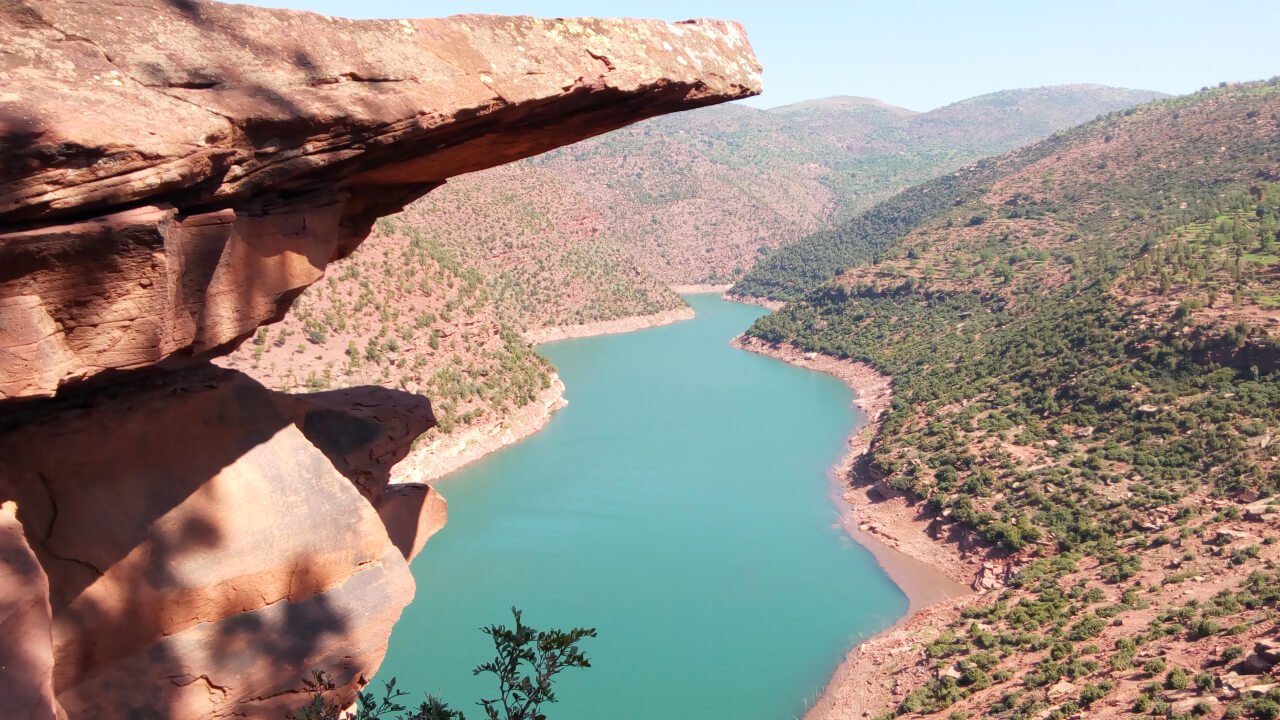
In recent years, Morocco has faced one of the most severe water crises in its modern history. With consecutive years of drought, declining dam levels, and rapidly increasing water demand, a pressing question has emerged:
“How will Morocco secure drinking water for its citizens and sustain its economic sectors?”
In this critical context, Atalayar reports that the Kingdom has announced a massive investment of 58.7 billion dirhams dedicated to strengthening its water infrastructure and safeguarding its water resources for the coming years.
This investment is far more than a budget announcement—it is a bold national vision that sets the foundation for a safer hydric future in a world where pressure on natural resources continues to intensify.
This expanded guide explores the details of the strategy, its objectives, expected impacts, and the challenges ahead—offering a clear understanding of what this plan means for Moroccans today and in the years to come.
1. The Water Crisis Context: Why Water Security Has Become a National Priority
1.1 A Climate Change Impact That Continues to Intensify
Morocco is suffering the consequences of climate change through:
- a significant drop in precipitation,
- alarming dam levels,
- prolonged heatwaves accelerating evaporation,
- depletion of groundwater reserves.
These factors have created a deep imbalance between supply and demand, placing Morocco among nations facing acute water stress.
1.2 Rapidly Increasing Water Demand
Pressure on water resources has intensified due to:
- demographic growth,
- expansion of irrigated agriculture,
- rapid urbanization of major cities,
- rising industrial and tourism activities.
This situation has made a comprehensive upgrade of water infrastructure a national emergency.
2. Breakdown of the Investment: What Does the 58.7 Billion Dirham Plan Include?
This is a strategic, long-term vision—not simply a dam-building program.
2.1 Construction and Upgrading of Dams
The program includes:
- building new high-capacity dams,
- increasing storage capacity in existing dams (such as Mohammed V Dam),
- implementing anti-sedimentation solutions.
Goal: double Morocco’s water storage capacity in the coming decades.
2.2 Interconnecting Water Basins
A central component of the plan is:
- connecting surplus northern basins to deficit-prone central and eastern regions.
This will establish fairer and more reliable water distribution across the country.
2.3 Expanding Water Desalination Plants
Desalination has become a strategic solution, especially for coastal cities. Major projects include:
- the mega-plant in Casablanca,
- the Agadir desalination plant,
- the Dakhla plant.
This approach allows drinking water supply to be less dependent on rainfall.
2.4 Wastewater Treatment and Reuse
The investment also supports:
- building new wastewater treatment facilities,
- reusing treated wastewater for irrigation and industrial purposes.
This sustainable strategy helps reduce pressure on natural water reserves.
2.5 Flood Protection for Cities
Despite drought, many cities remain vulnerable to flash floods. The plan includes:
- upgrading drainage networks,
- modernizing stormwater systems,
- constructing new anti-flood infrastructures.
3. Regional Distribution: Which Areas Will Benefit the Most?
3.1 The Oriental Region
- Major flood protection infrastructure
- Improved drinking water supply
3.2 Tangier – Tetouan – Al Hoceima
- Reinforced water security in a rapidly urbanizing region
3.3 The South: Dakhla – Oued Eddahab
- Hydric projects aligned with the new strategic Dakhla port
3.4 Casablanca – Settat
- One of Africa’s largest desalination plants under development
3.5 Souss – Massa
- Support for irrigated agriculture and the Agadir desalination project
4. Expected Benefits of the Investment
4.1 Long-Term Water Security
The plan aims to protect Morocco from:
- extreme drought periods,
- drinking water shortages,
- economic risks linked to water scarcity.
4.2 Job Creation and Economic Growth
This massive program will generate:
- thousands of direct and indirect jobs,
- opportunities for engineering, construction, and clean-tech industries.
4.3 Improved Agricultural Production
A more stable water supply will enable:
- higher productivity,
- more secure crop cycles,
- reduced losses during dry seasons.
5. Challenges That Could Impact the Plan’s Success
5.1 Ensuring Sustainable Long-Term Funding
Large infrastructure projects require continuous financial support.
5.2 Meeting Deadlines and Quality Standards
Delays or poor execution could undermine the efficiency of the strategy.
5.3 Managing National Water Consumption
Morocco must promote:
- water-saving habits,
- modern irrigation technologies,
- oversight and reduction of wasteful consumption.
5.4 Environmental Considerations
Hydraulic projects must integrate sustainable and eco-friendly practices.
With its unprecedented 58.7 billion dirham investment, Morocco is laying the foundation for a major transformation in water management.
If the projects are completed on time and with high quality, the nation will benefit from a strong, resilient hydric system capable of facing the climate challenges of the future.
What do you think? Should Morocco go even further in its water strategy?
Share your thoughts in the comments!