
European food supply chains are undergoing significant pressure due to climate change, labor shortages, and shifting trade policies. This instability raises an important question:
How did Morocco manage to double its tomato exports to Ireland and reach unprecedented levels in 2025—despite facing harsh drought and global market challenges?
This expanded analysis uncovers the reasons behind this exceptional performance, backed by data from
FreshPlaza, and explores its implications on Moroccan agriculture and European demand.
1. A Historic Leap: Moroccan Tomato Exports Reach 3,400 Tons in 2025
During the 2024–2025 season, Morocco exported 3,400 tons of tomatoes to Ireland, marking a 100% year-over-year increase and setting a new export record. This figure also represents a 62% rise compared to the previous all-time high recorded in 2020/2021.
This milestone underscores Morocco’s growing strategic importance as a reliable supplier of fresh produce—especially at a time when Europe faces lower yields due to extreme weather conditions.
Additionally, the value of these exports exceeded $7.5 million, highlighting the rising profitability of Moroccan agriculture as it gains traction in international markets.
2. Why Are Moroccan Tomato Exports Soaring? Key Drivers Behind the Growth
2.1 Modern Agricultural Infrastructure
Morocco’s agricultural sector has transformed dramatically thanks to:
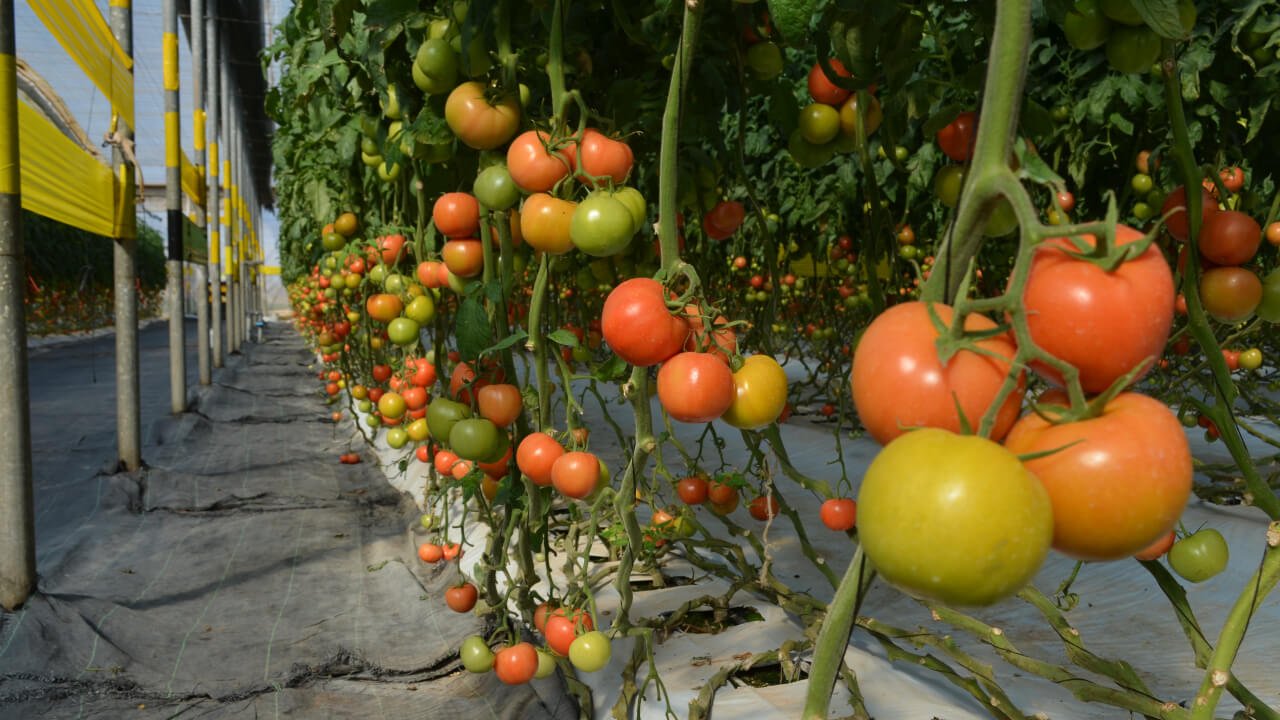
- Expanded greenhouse agriculture
- Drip irrigation systems that reduce water consumption by up to 50%
- Government-backed programs encouraging sustainable farming
- Adoption of high-yield and climate-resistant tomato varieties
These innovations enable consistent year-round production—even in drought conditions.
2.2 Post-Brexit Trade Realignment
One of the most influential factors is the change in Ireland’s supply chain after Brexit.
Before Brexit:
- Ireland sourced a large portion of tomatoes indirectly through the UK.
After Brexit:
- New trade barriers increased costs and delivery times.
- Ireland quickly shifted toward direct imports from stable partners like Morocco.
Morocco’s geographic proximity, competitive pricing, and reliability made it a natural replacement for UK-based suppliers.
2.3 Strong Irish Demand for Fresh Tomatoes
Ireland has limited local production due to its climate. It relies heavily on imports—especially from October to March.
During winter, Moroccan tomatoes fill a critical supply gap.
In January 2025 alone, Ireland imported 542 tons of Moroccan tomatoes, marking the highest monthly volume on record.
3. Morocco’s Rising Power in the European Tomato Market
3.1 Competing With Europe’s Biggest Producers
Historically, the Netherlands and Spain dominated the Irish tomato market.
But in 2025:
- The Netherlands remains the top supplier, but
- Morocco has climbed to a 10% market share, the highest in its history
- Spain and Germany follow behind
This sharp rise indicates Morocco’s ability to compete with advanced European agricultural systems.
3.2 A Preferred Supplier for Northern Europe
Ireland is not the only fast-growing market for Moroccan tomatoes.
Countries such as:
- Denmark
- Sweden
- Norway
- Finland
are steadily increasing their imports due to consistent Moroccan quality and competitive pricing.
Northern European retailers are increasingly prioritizing:
- Freshness
- Stable supply
- Good shelf life
—all areas where Moroccan tomatoes excel.
4. Seasonal Dynamics: How Morocco Matches Ireland’s Demand Cycle
Tomato imports in Ireland spike during winter when local and regional European production drops significantly.
Morocco’s climate and greenhouse systems allow it to produce tomatoes during the exact months when Europe struggles.
Ireland’s Import Season (Peak Months):
- October to March: High demand
- January: Record peak of 542 tons
- June to September: Import volumes drop significantly
This perfect seasonal alignment creates a win-win situation:
- Ireland secures steady supply
- Morocco enjoys higher export value and volume
5. Challenges Facing Moroccan Tomato Exporters
Despite success, several obstacles threaten the sustainability of growth.
5.1 Climate Change and Drought
Morocco’s agricultural regions—especially Souss-Massa—are experiencing severe drought.
Water scarcity increases production costs and forces farmers to rely more on controlled-environment agriculture.
5.2 Labor Shortages
Many Moroccan farmers report difficulty finding enough skilled labor, as young workers migrate to other industries.
This challenge could slow expansion unless mechanization and training programs grow.
5.3 Pressure From EU Regulations
European markets are highly sensitive to:
- Food safety
- Pesticide residue levels
- Traceability standards
Although Morocco consistently meets EU requirements, media scrutiny occasionally triggers concerns.
This means Morocco needs to invest more in:
- Transparent certification
- On-farm audits
- Communication with European regulators
6. Future Opportunities: How Morocco Can Strengthen Its Position
6.1 Expanding Premium Tomato Varieties
European consumers increasingly prefer:
- Cherry tomatoes
- Organic tomatoes
- Specialty varieties
Morocco has the climate and infrastructure to scale these segments profitably.
6.2 Investing in Sustainable Farming Technologies
Future investments will likely focus on:
- Hydroponics
- Vertical farming
- Sensor-based irrigation
- Renewable-energy-powered greenhouses
These innovations can reduce water use and increase yields, making Morocco’s exports even more competitive.
6.3 Strengthening Logistics and Cold-Chain Infrastructure
Faster and more reliable cold-chain systems can:
- Reduce waste
- Improve freshness
- Open access to distant markets like Sweden and Finland
Morocco’s port infrastructure—especially Tanger Med—is already a strong advantage.
The doubling of Moroccan tomato exports to Ireland in 2025 is more than a temporary spike—it reflects a strategic shift in European trade patterns and Morocco’s rapid modernization in agricultural production.
With ongoing investments in technology, sustainability, and export logistics, Morocco is well-positioned to strengthen its role as a leading supplier of fresh produce to Europe.
If you found this expanded analysis useful, share your thoughts in the comments or forward the article to others interested in global agricultural trends.